Dr. Matthew Frieman
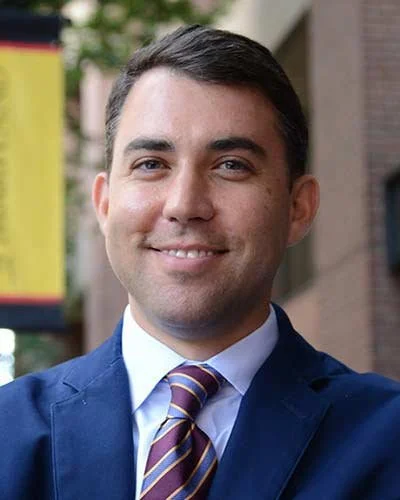
Matt Frieman grew up in Owings Mills, MD. He is the Alicia and Yaya Professor of Viral Pathogenesis in The Department of Microbiology and Immunology at The University of Maryland School of Medicine. He received his BA in Biology from Washington University in St. Louis (1994-1998) where he worked in the lab of Dr. Craig Pikaard. He then did a PhD at Johns Hopkins University School of Medicine (1998-2004) in the lab of Dr. Brendan Cormack where he studied yeast cell wall proteins. His postdoctoral training was at University of North Carolina at Chapel Hill (2004-2009) in the lab of Dr. Ralph Baric where he started working on Coronaviruses. He started his own lab at The University of Maryland School of Medicine in The Department of Microbiology and Immunology in 2009 continuing his work on SARS-CoV pathogenesis and host response. He is now the The Alicia and Yaya Professor of Viral Pathogenesis and Director of the Center for Pathogen Research.
Program Manager
Dr. Carly Dillen
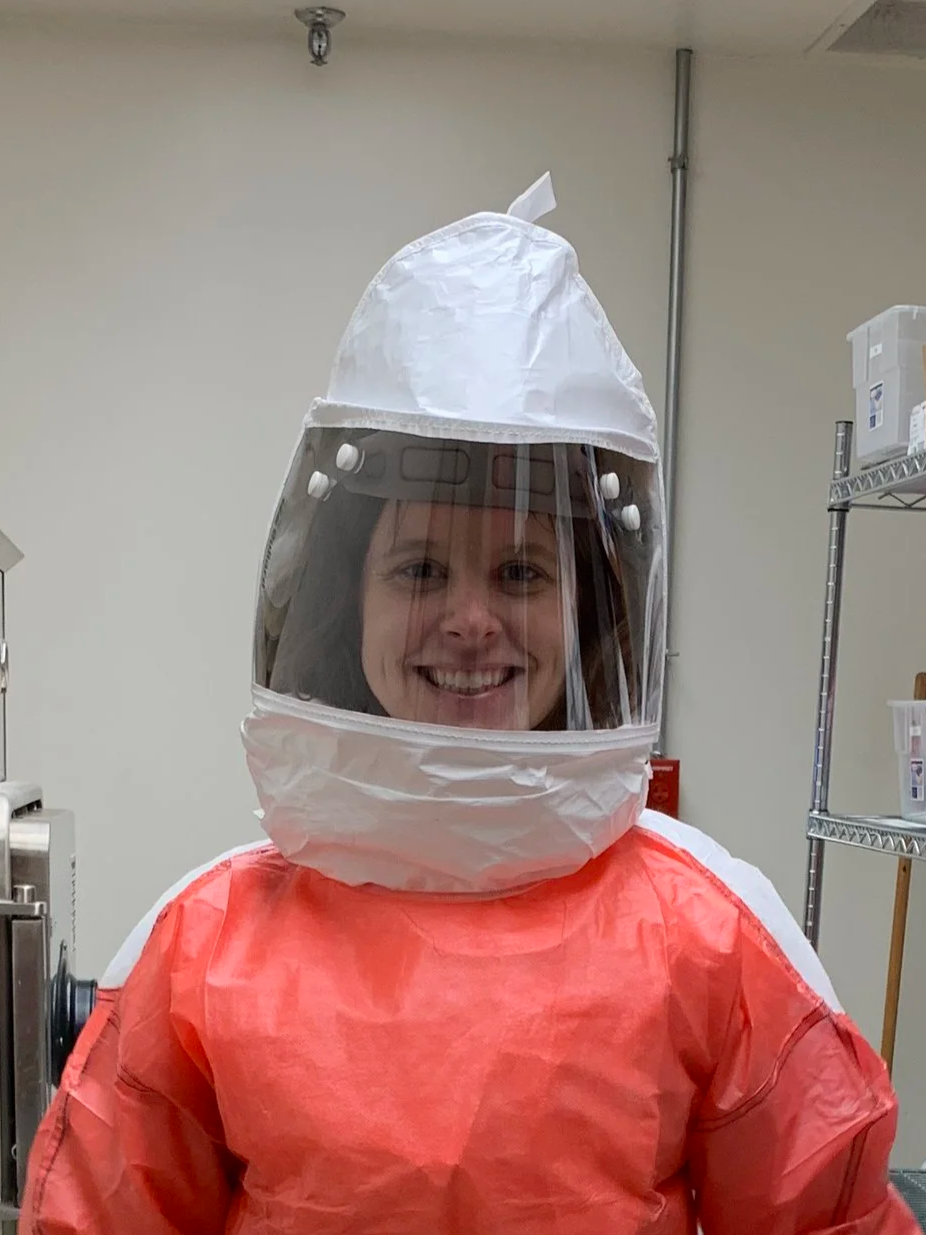
Carly Dillen, Ph.D. is a research program manager in the Frieman lab. She grew up in Upstate NY in the foothills of the Adirondack Mountains and received her bachelor’s degree in pharmacology from the University at Buffalo in 2007. She then completed her Ph.D. in 2012 at the University of Maryland, Baltimore in the Frieman Lab studying the role of macrophage polarization in SARS-CoV-1 pathogenesis. Next, she completed a postdoctoral fellowship at Johns Hopkins University in the lab of Lloyd Miller, M.D., Ph.D. examining the role of gamma delta T cells in protecting against recurrent S.aureus skin infections. After 2 years as a project administrator in the Department of Dermatology at Johns Hopkins, Carly returned to the Frieman Lab in 2020 to continue studying coronavirus pathogenesis while also lending administrative and organizational support (aka herding the cats).
Research Associates
Dr. Stuart Weston
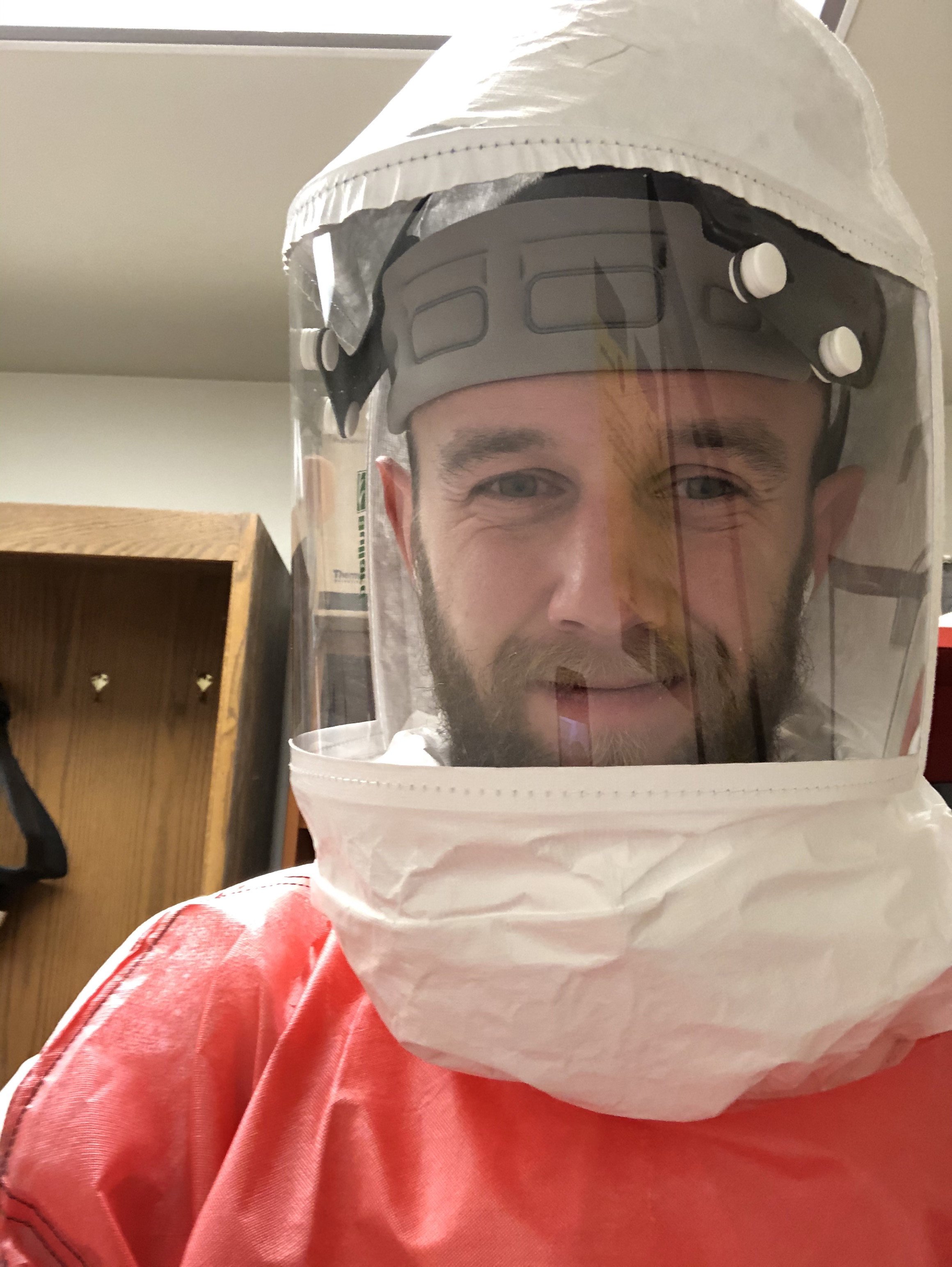
Stuart Weston Ph.D. is a Research Associate in the Frieman lab He earned his BSc in Biomedical Science (2009-2012) and subsequently his Ph.D. in Molecular Cell Biology (2012-2016) both from University College London, UK. His Ph.D research focused on the cellular and molecular mechanisms of interferon-induced transmembrane proteins (IFITM) as broad-spectrum antiviral factors. He joined the Frieman lab in 2016 and his postdoctoral training focused on developing yeast as a model organism for the study of human pathogenic virus host-pathogen interactions. This work led to patenting of a host-targeted, broad-spectrum, antiviral compound that inhibits coronaviruses, influenza virus and filoviruses. Dr. Weston has contributed to numerous projects in the Frieman lab throughout the COVID-19 pandemic, being involved with studies on coronavirus biology, antiviral drug and vaccine development. His current research is focused on understanding the role of mitochondria in coronavirus replication.
Dr. Jeremy Ardanuy
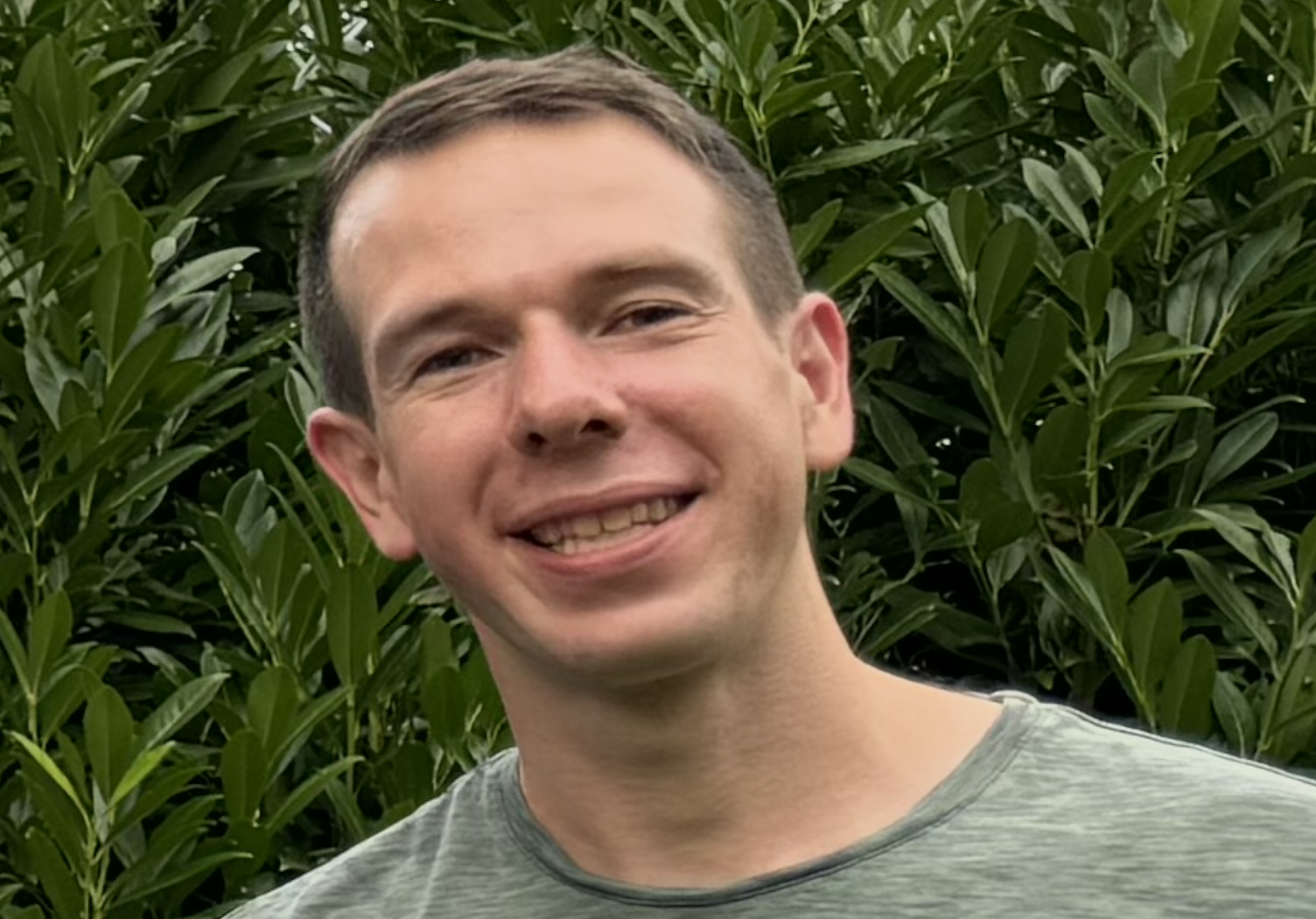
Jeremy Ardanuy, PhD, is a Research Associate in the Department of Microbiology and Immunology at the University of Maryland School of Medicine. He earned his PhD in Molecular Microbiology and Immunology at the University of Maryland, Baltimore, where his doctoral research examined the role of type I and III interferons in the pathogenesis of Bordetella pertussis infection. Dr. Ardanuy completed postdoctoral training focused on both bacterial pathogenesis and emerging viral diseases, including highly pathogenic coronaviruses. His research integrates immunology, host–pathogen interactions, and antiviral and host-directed therapeutic strategies.
Postdoctoral Fellows
Dr. Louis Taylor
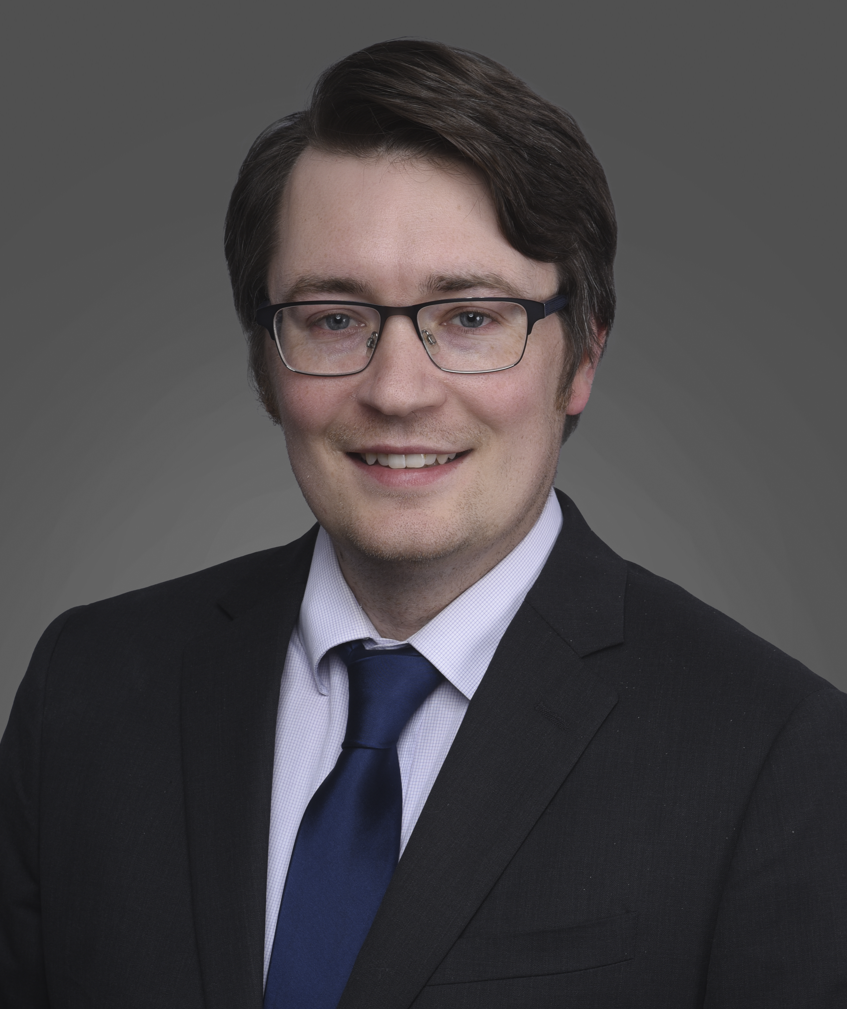
Louis completed his Ph.D. thesis at the University of Pennsylvania in the lab of Frederic Bushman discovering and characterizing viruses in human respiratory samples through high-throughput sequencing and analysis. In his postdoctoral work, Louis is studying viral infection and how the host responds using high-throughput methods. He is currently developing phage display libraries for coronaviruses and influenza to profile host antibody responses to infection and vaccination as well as a software pipeline to analyze and visualize the associated data. Louis hopes to improve health outcomes through understanding virus-host biology and therapeutic development.
Dr. Hannah Despres
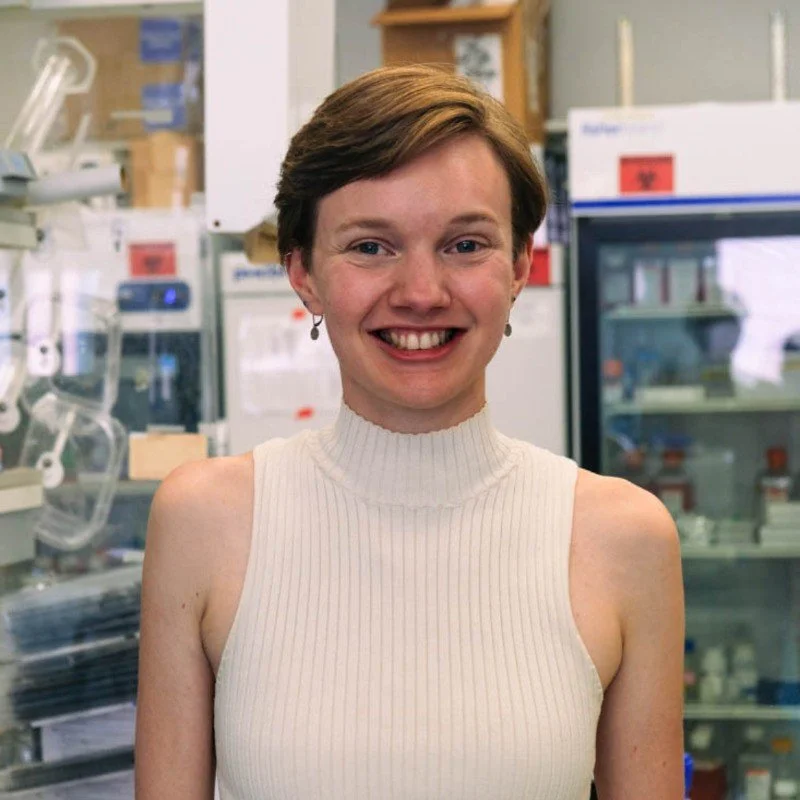
Hannah W. Despres, PhD is a postdoctoral fellow for the Center for Vaccine Development at the University of Maryland Baltimore (UMB). After undergraduate studies in Nutrition at SUNY Plattsburgh, she completed a PhD in molecular biology from the University of Vermont. As a postdoctoral fellow, Dr. Despres's research interest are related to respiratory viruses and vaccine optimization. Her current work is in collaboration with Boston Children's Hospital looking at the efficacy of novel influenza vaccine adjuvants in preclinical models. She is currently a Vaccinology Research Fellow within the Center for Vaccine Development. She is broadly interested in the intersection of public health and infectious diseases and is committed to promoting equity and accessibility in science.
Graduate Students
Devon Riley
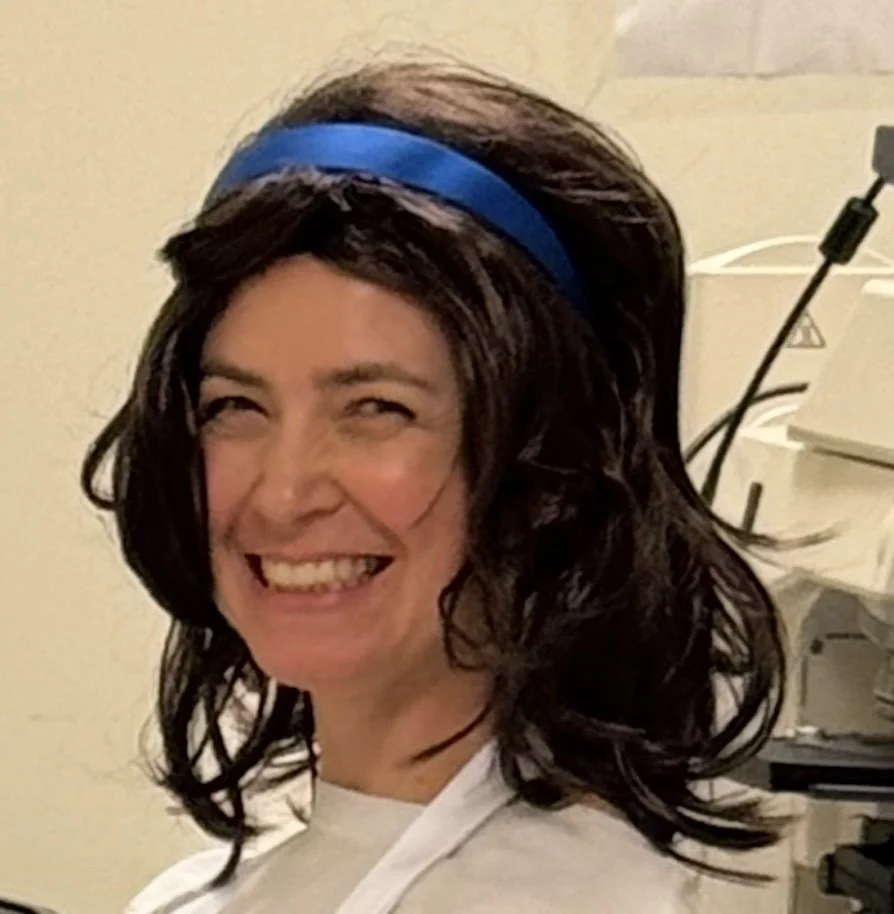
Devon V. Riley is a Ph.D. Candidate jointly mentored by Drs. Ernst and Frieman, whose research focuses on how adjuvants enhance the immunogenicity of avian influenza antigens to improve vaccine efficacy. She holds a Master of Science in Laboratory Medicine from the University of Washington, Seattle, and a Bachelor of Science in Microbiology from the University of California, Santa Barbara.
Commissioned as a Medical Service Corps Officer in the U.S. Army in 2006, she deployed to the Middle East as an Environmental Science Officer with the 2nd Brigade Combat Team, 101st Airborne Division. Since 2012, she has served as a Clinical Laboratory Officer, holding leadership roles including Core Laboratory Officer-in-Charge, Laboratory Manager, and Director of Patient Services.
Following the completion of her doctoral studies, she will join the U.S. Army Medical Materiel Development Activity (USAMMDA) at Fort Detrick, where she will support clinical laboratory acquisitions to advance military medical readiness.
Grace Garrett
Grace Garrett is a Molecular Microbiology & Immunology PhD student at the University of Maryland, Baltimore, where she has been pursuing her doctorate since September 2023. She holds a Bachelor of Science in Biology from the University of Maryland, College Park, which she earned magna cum laude in 2021.
Prior to her PhD, Grace spent nearly two years as a Postbaccalaureate Fellow at the Eunice Kennedy Shriver National Institute of Child Health and Human Development (NICHD), contributing to research that included a publication on human host factors critical for SARS-CoV-2 replication. Her earlier experience spans a range of roles, from a lab assistant in UMD's Department of Entomology — where she worked with Culex pipiens mosquitoes — to an internship with the U.S. Department of State's Bureau of International Security and Nonproliferation. Her first position was as team member at Chik-Fil-A in Waugh Chapel, MD.
She is currently investigating how asthma alters pathogenesis of Influenza virus and coronaviruses and deciphering the pathways that exacerbate or protect from disease. In her free time she likes to play with Beans.
Simon Doss-Golin
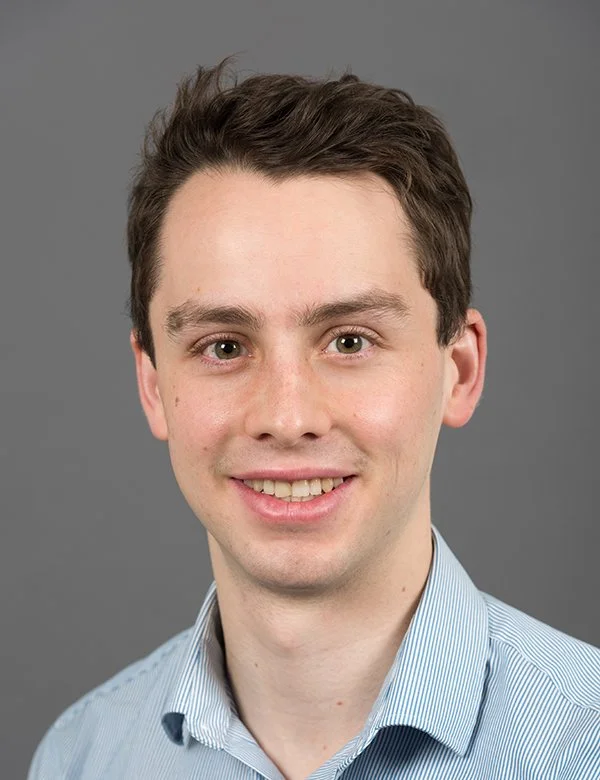
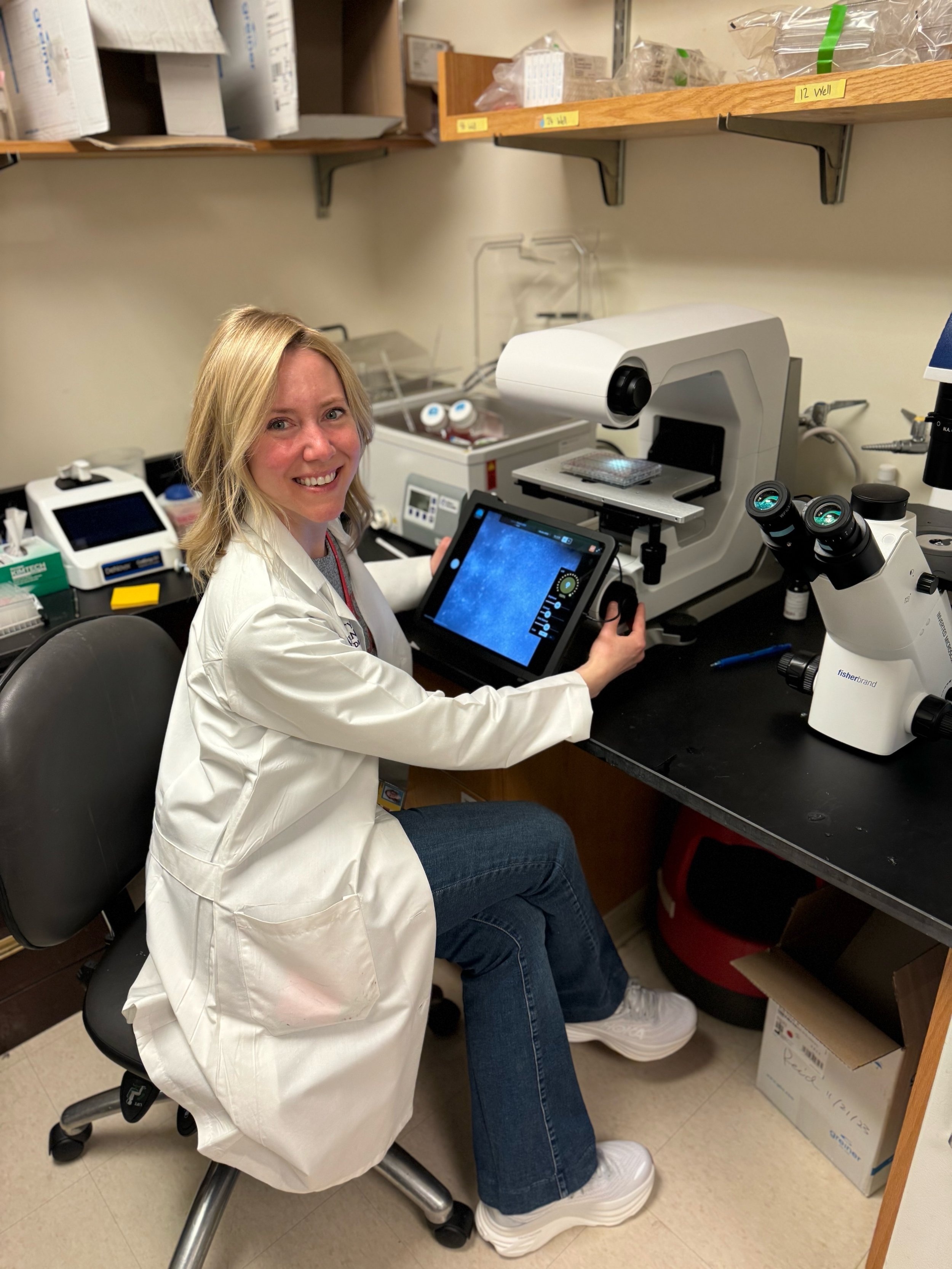
Simon is an MD/PhD candidate in his GS2 year at the University of Maryland School of Medicine studying Molecular Microbiology and Immunology. As an undergraduate student at Yale University, Simon pursued his thesis work with Dr. Paul Turner to study evolved responses to phage therapy and also travelled internationally under the dual mentorship of Dr. Federico Costa and Dr. Albert Ko to collaborate with Dr. Pablo Aguilar Ticona on a series of longitudinal epidemiology studies in Salvador, Brazil. For two years following his graduation Simon worked in the Precision Vaccines Program at Boston Children’s Hospital under Dr. Simon Van Haren to develop and characterize novel open-access vaccine adjuvants for global use. Here at Maryland, Simon now works under the co-mentorship of Drs. Frieman and Deming to characterize differential mechanisms of infection between OC43 strains. Outside of the lab, Simon enjoys playing soccer, reading, and recently raced his first triathlon.
Erica Leyder
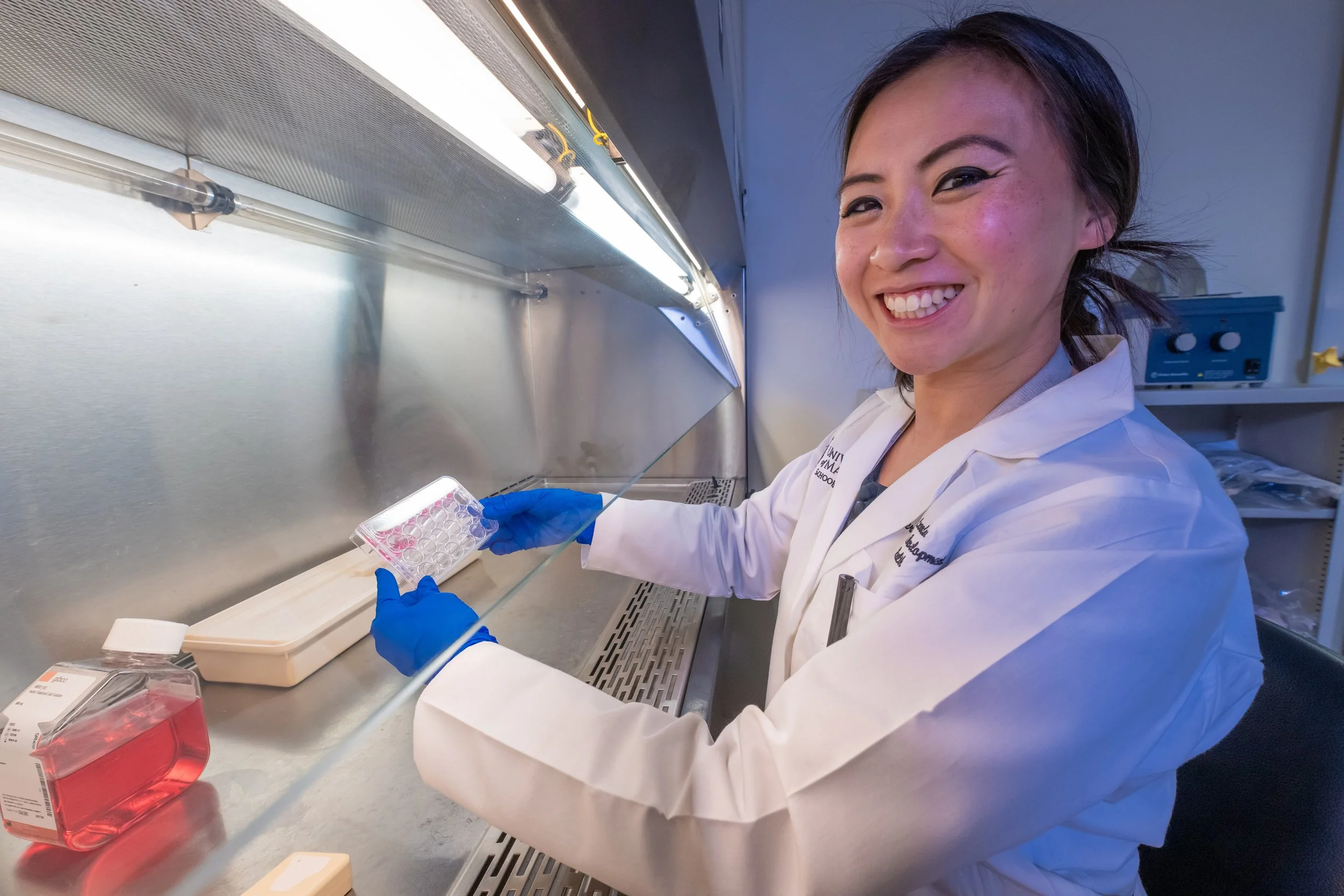
Erica Leyder is a Ph.D. candidate in the Molecular Microbiology and Immunology Program at the University of Maryland School of Medicine. Her current work, titled “FAM46C Limits Seasonal Coronavirus Entry Through Host-Intrinsic Mechanisms”, focuses on understanding how the host factor FAM46C (TENT5C) restricts coronavirus infection. She uses in vitro assays, domain deletion mutants, small-molecule modulators, and air–liquid interface cultures of human airway epithelial cells to define FAM46C’s role in viral entry and early post-entry events, aiming to uncover conserved host pathways for broad-spectrum coronavirus therapeutics.
She began her research training at St. Mary’s College of Maryland as a St. Mary’s Undergraduate Research Fellow (SMURF), investigating neuropeptide function in C. elegans and completing an undergraduate honors thesis on the anti-tumor response to gemcitabine in pancreatic cancer. After earning a double major in Biology and Biochemistry, with double minors in Neuroscience and Asian Studies, she joined the Johns Hopkins University School of Medicine as a research technologist, leading projects on neurodegenerative diseases, such as Alzheimer's. She earned a Master of Science in Biotechnology from Johns Hopkins University before transitioning to industry R&D, contributing to a self-replicating RNA vaccine platform at Elixirgen Therapeutics and later working on nucleic acid immunotherapy at Immunomic Therapeutics. She also served as a lecturer at Johns Hopkins University, mentoring students at the Center for Biotechnology Education.
Erica is dedicated to advancing translational immunology and vaccine science while fostering the development of future scientists. Her long-term career goal is to lead independent research programs that integrate fundamental molecular virology with therapeutic innovation.
Research Technicians
Ziying Liu
Jessica Crowder has a BS in Public Health Science from the University of Maryland, College Park and a MS in Cellular & Molecular Biomedical Science from the University of Maryland, Baltimore. In the lab, she supports research on coronavirus pathogenesis and is currently investigating how the serine/threonine phosphoprotein phosphatase (PPP) family influences viral replication. Outside of the lab, you can find her spending time with her family, indulging in Baltimore's culinary scene, and photographing the world around her.
BONUS ID Dr!
Jessica Crowder
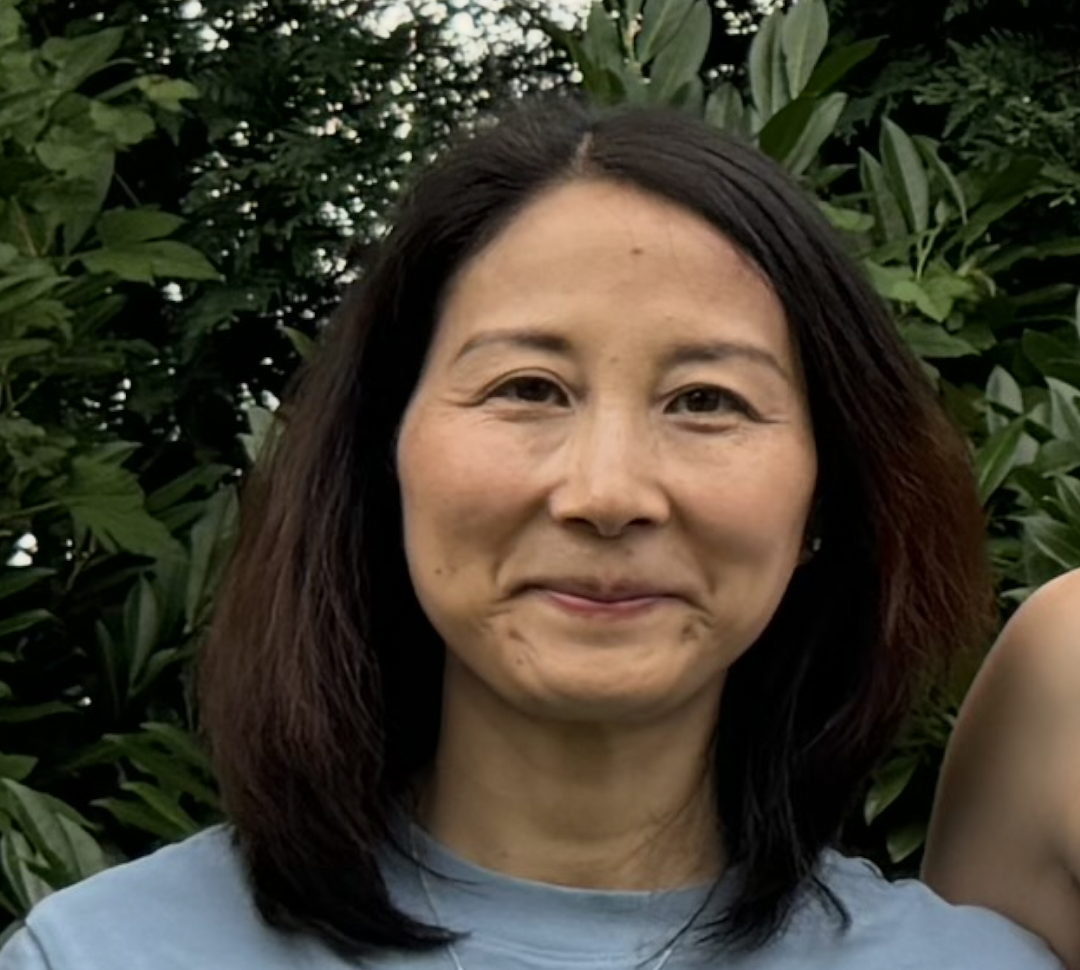
Ziying is the Frieman Lab manager with extensive experience supporting virus and pathogen research conducted in a high biosafety level environment. She runs the daily operation of the BSL2 and Biosafety Level 3 (BSL-3) labs, implements biosafety and biosecurity protocols, and provides technical support for virology, molecular biology, and cell culture–based experiments. She works closely with all of the lab members, students and biosafety officers to ensure strict adherence to institutional, federal, and international biosafety regulations. Her role in the lab is to ensure safe, efficient, and compliant laboratory operations while providing technical and logistical support that enables high-quality, reproducible virus and pathogen research.
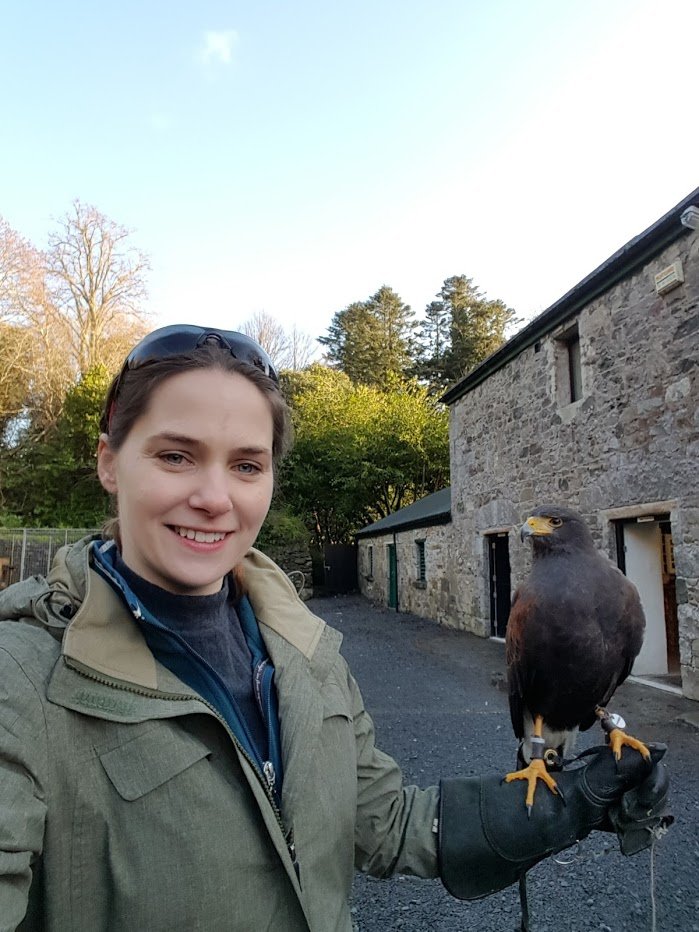
Meagan E. Deming, MD, PhD is an Assistant Professor in the Center for Vaccine Development and Global Health (CVD) at the University of Maryland School of Medicine. After undergraduate studies at Swarthmore College, she completed a combined MD/PhD at the University of North Carolina, Chapel Hill studying SARS-CoV in the lab of Dr. Ralph Baric (2008-2013). At the University of Maryland, she completed internal medicine residence (2017) and a fellowship in infectious disease (2021), with a focus on immunocompromised patients. She leads clinical trials at the CVD helping to test improved influenza and coronavirus vaccines. In the laboratory, her work on coronaviruses is focused on improving the utility of seasonal coronaviruses as a model for vaccine and antiviral development.